

Skip to Content

Pet Care Corner Logo

Pet Care Corner Logo

Cat Articles: Behavior

How to Change Your Cat’s Nighttime Sleeping Habits

Do you hear a flutter of cat paws across the floor, pouncing, scratching, or meowing all through the night? If you’re a light sleeper, you may notice that your cat's activity level spikes during the night.

Back to All Articles
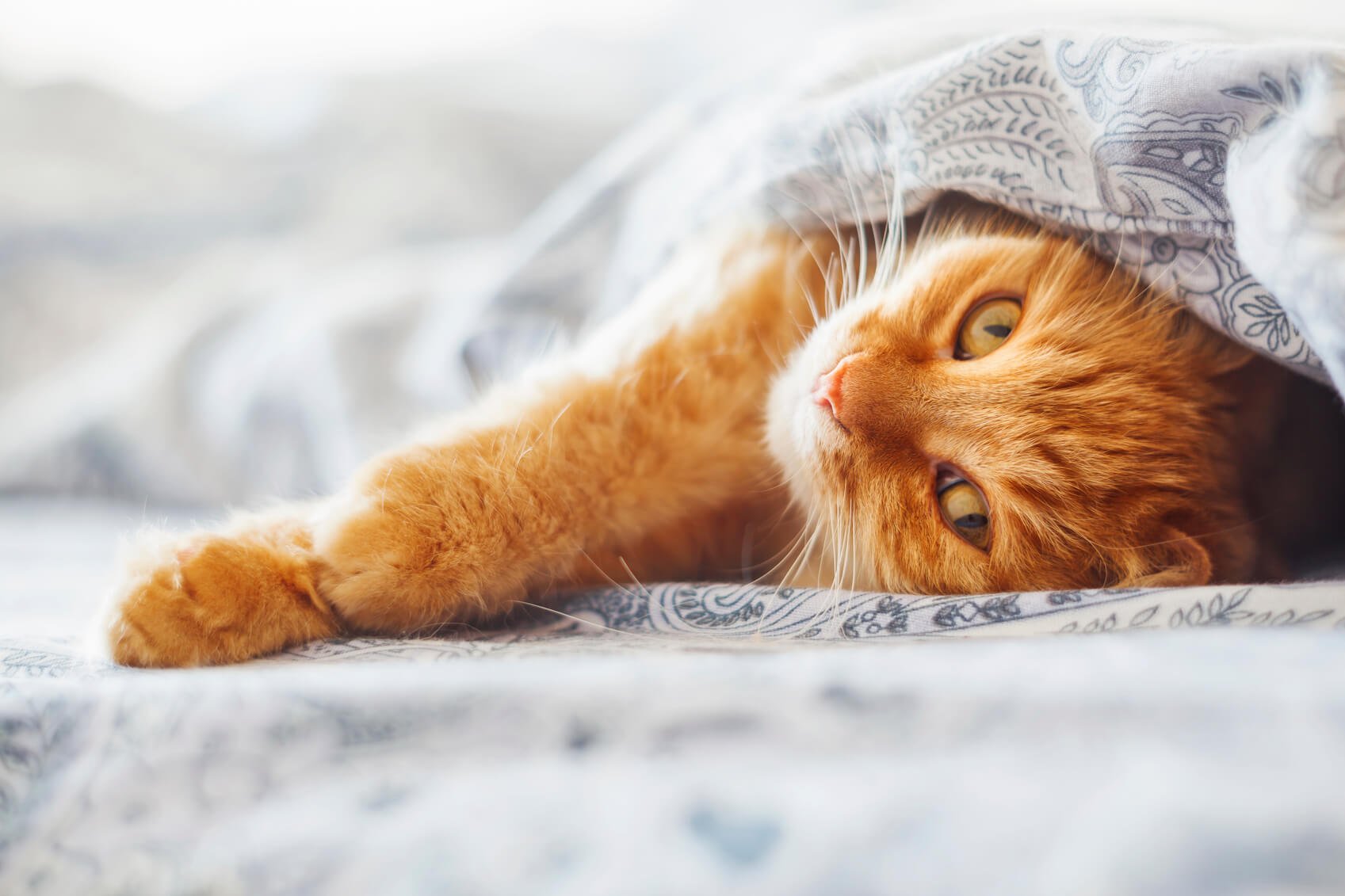
orange cat laying sideways halfway out of the blanket

What Are Cats’ Sleeping Habits?

While some cats are more active than others at night, it’s completely normal because cats are naturally nocturnal animals, meaning they prefer to sleep during the day and hunt at night.

Just because your kitty is domesticated and has easy access to food, doesn't mean the sleep pattern will shift as soon as you bring them home. Their instincts for nighttime activity may take over.

It takes time to gradually change their schedule and shift playtime away from late at night, or for you to learn how to live with the behavior of your nocturnal kitty.

How to Change Your Cat’s Sleeping Habits

Work with your cat to re-schedule their instincts by keeping them active in the daytime. If you’re consistent with your cat's new routine, they can adjust to a more desirable schedule quicker.

Try Shifting Playtime to Daytime

  • Play with your cat in the evening before bedtime or throughout the day.
  • If you see your cat sleeping during the day, gently wake them up and encourage play.
  • Use interactive toys to entice curiosity and wakefulness during the day, especially when you are not home to play with them.
  • Allow your cat to safely explore the outdoors during the day to stimulate their brain.
  • Try to ignore the nighttime behaviors. Giving a response will provide your cat the engagement they are looking for, and they will want to play more.

Keeping the Bedroom Quiet

Changing the behavior may be your first route of action, but living with your cat requires some compromise. The playtime shift might take time and patience, so you may need to change some of your habits, too.

  • Set the tone that the bedroom is a no-play zone and keep all toys out of the room.
  • Of course, cats can decide that rolled up socks and paper scraps are fun too, so put away other potential “toys” as well.
  • Keep the bedroom door closed while you sleep.
  • Use a fan or a sound machine to drown out outside noises if you’re a light sleeper.
  • Designate an area or room away from the bedroom as the play space so you won't hear as much commotion.

Because night activity is a natural instinct in cats, it can take time for certain felines to adjust even while others quickly change their habits.

Be patient with your cat, and you will both be much happier in the long run.

Frequently Asked Questions

Frequently Asked Questions

If your cat is waking you up at night and you want to change this behavior, consider establishing a consistent routine that aligns with your own sleeping schedule. Resist responding to your cat during the night — ignoring their behavior should eventually discourage them from trying again.

Here are some other ways to help regulate your cat's sleeping schedule:

    1. Play with your cat before bed to tire them out.
    2. Consider giving your cat a late meal. A full belly may encourage them to sleep through the night.
    3. Make sure your cat has a comfortable and cozy sleeping space away from your room.
    4. Use an automatic feeder to dispense food early in the morning. 
    5. Stick to a routine. Consistency is key when trying to modify your cat's behavior. 

Cats are creatures of habit, and they can adapt to your sleep schedule to some extent. If you follow a consistent routine and reinforce desired behaviors, your cat might adjust their habits to align with your sleeping routines.

You can use consistent cues and routines to tell your cat it's time for bed. Here are our top tips:

    1. Establish a routine and be consistent with activities such as playtime, feeding, and grooming to signal it’s getting close to bedtime.
    2. Dimming the lights can create a calming atmosphere. Cats are sensitive to changes in lighting, and dimming the lights can help signal it's time to wind down.

Cats are known for being expert nappers; the duration of their naps can vary depending on their age, health, and breed. On average, cats tend to sleep a significant portion of the day.

Kittens are typically the most active and may sleep for about 16 to 20 hours a day. This extended sleep is essential for their growth and development.

Adult cats usually sleep around 12 to 16 hours a day. While they may be more active at night, they still spend a substantial amount of time napping. 

Senior cats also sleep for about 12 to 16 hours but can often require more rest and may take shorter, and more frequent, naps throughout the day.

Get Pet Tips & Tricks

Pet Care Corner Logo

Search All Articles