

If your dog is extra itchy, licks their paws frequently, messes with their ears, or struggles with digestive issues like diarrhea or vomiting, it can be hard to pinpoint the cause and find a solution. Anything your pup comes in contact with could be the irritant: environmental factors like pollen or dust, cleaning products, foods, or even fleas. It’s also difficult to decipher whether it’s an allergy or sensitivity since some of the symptoms are the same.
The symptoms can also vary, and can be mild to severe, so it’s best to talk with your veterinarian before making any environmental or dietary changes. It's not uncommon for a pet to be allergic to more than one thing, such as skin mites, mold, or a protein source so their diet may just be a contributing factor.
We’ve built this guide to help you learn what to look for, the differences between an allergy and sensitivity, and if a food sensitivity diet can help.

What’s the Difference Between a Dog Food Allergy and Food Sensitivity?
In an allergic reaction to food, your dog’s immune system reacts to something they’re eating and produces antibodies to the substance it would normally be able to tolerate. Food allergies usually show up after repeated exposure to one type of protein, normally a meat source, but other ingredients are possible culprits, so allergies can begin at any age. The most common food allergens in dogs are proteins from beef, chicken, dairy, eggs, soy, or wheat gluten, but any food ingredient can produce an allergy.
Some of the signs are vomiting, loose stool or diarrhea, loss of appetite, itchy skin or ears, and constantly licking of the paws. But any of these symptoms could also be caused by environmental factors (and not a food allergy), or things like:
- intestinal parasites (hookworms, roundworms, whipworms)
- external parasites (fleas, ticks, mites like ear mites)
- a skin infection
A food sensitivity means your dog can’t digest their food well. The most common signs are vomiting, loose stool or diarrhea, and a loss of appetite.
These symptoms could also be caused by:
- intestinal parasites (hookworms, roundworms, whipworms)
- exposure to something other than their food (something they’re getting into while outside)
- “human” food that is too rich for them
- too many treats
Your veterinarian can help you determine the cause by ruling out and treating these symptoms.
Why Food Sensitivity and Allergy Diets Matter for Dogs
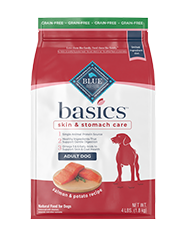
Your veterinarian may suggest trying a limited-ingredient diet, or a diet with a different animal protein source. These diets are often lower in fat, as well, which helps with digestion. Make sure to transition your dog’s food gradually — it may take a month or so to know if changing your dog’s diet did the trick. If their symptoms haven’t improved, your veterinarian can run other tests to help determine the cause of their symptoms.
If your veterinarian suspects a true food allergy, they will likely put your dog on a prescription diet for food allergies and intolerances. This is usually either a novel protein or hydrolyzed diet, which is formulated to meet your dog’s nutritional needs while helping heal damaged skin, regrow hair, and return their digestive system to normal. Your veterinarian will help you seamlessly transition your dog’s new food and figure out if it’s the right diet for them.
What Is A Novel Protein Diet?
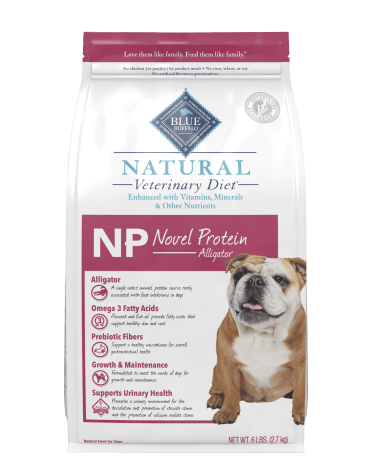
A novel protein diet is made with a less-common protein your pet hasn’t been exposed to, which can help manage hypersensitivities and avoid immune reactions. There is only one animal protein source in this type of diet, and often fewer carbohydrate sources. Some, like BLUE Natural Veterinary Diet Novel Protein, also have Omega-3 fatty acids, DHA and EPA, to help reduce inflammation in the skin and digestive tract.
What Is Hydrolyzed Dog Food?
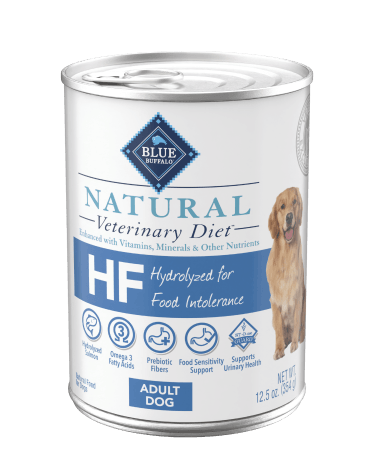
A hydrolyzed diet’s main protein source is broken down into small enough pieces that the dog's immune system can’t recognize them and won’t react. Diets like BLUE Natural Veterinary Diet Hydrolyzed for Food Intolerance include hydrolyzed salmon, which is rich in Omega-3 fatty acids to avoid triggering an allergic reaction, and help combat inflammation in the skin and digestive tract.