

Is Wet or Dry Food Better for Your Cat?
Pet nutrition experts don’t have a definitive answer but agree there are pros and cons for each. Some recommend feeding a mix of both. Use this cat feeding guide to compare dry and wet cat food to see what’s best for your cat, then get your veterinarian’s opinion on the best food based on their age, weight, and lifestyle needs.
Learn the Benefits of Both Wet and Dry Cat Food
Benefits
Wet Cat Food
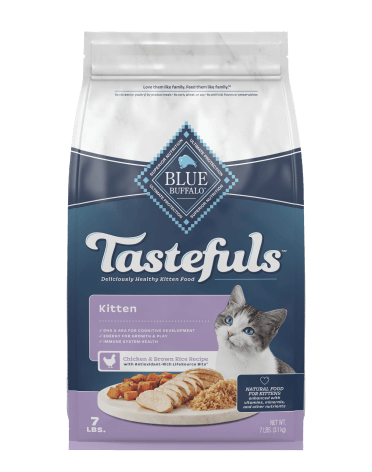
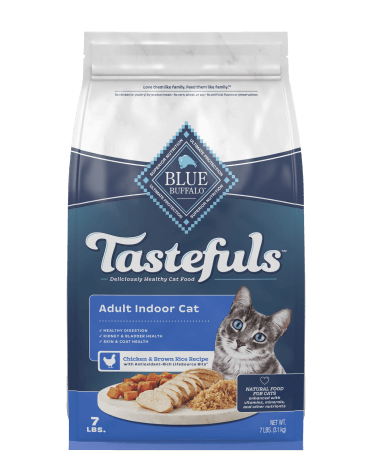
Dry Cat Food
Has high moisture content
(up to 78%)
(6-10% moisture)
Helps keep your cat hydrated
Energy dense
(Cats can consume calories quickly)
Can provide cats with added vitamins and minerals
Contains essential nutrients like taurine
Doesn't require refrigeration after opening
Long shelf life; easy to stack and store
Are There Benefits to Wet Cat Food?
Did you know felines require up to three times more protein than dogs? Wet cat food often has high protein content, which benefits carnivores like cats who depend on animal protein to meet their nutritional needs.
With an average of 75% water, wet cat food can also help your cat stay hydrated, especially since felines tend to not drink enough water. The high moisture content in wet food may be beneficial for cats with urinary tract problems, diabetes, or kidney disease.
Also, wet cat food is often more appealing than dry food and comes in a variety of flavors and textures to please all types of palates.
Pro Tip: Don’t let wet cat food sit out in your cat’s bowl for more than 20-30 minutes. Canned cat food doesn’t stay fresh as long as dry food, so be sure to refrigerate any leftover food and serve within 72 hours. On the plus side, wet food has a long shelf life before it’s opened and, with smaller, stackable containers, is easier to stock up on than larger dry cat food bags.
Are There Benefits to Feeding Dry Food?
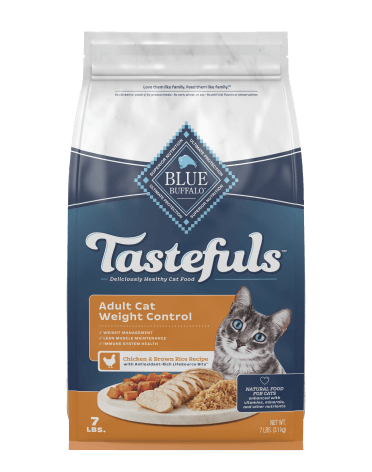
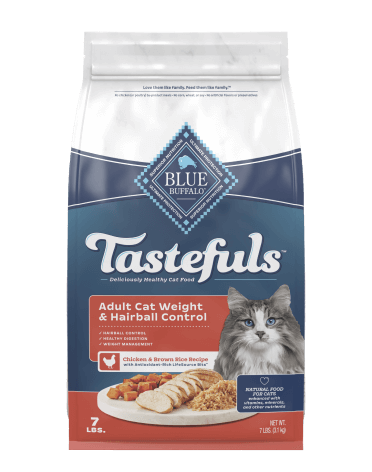
High-quality dry cat food usually contains up to 10% moisture, an animal protein source, vitamins, minerals, and other essential nutrients. It can feature one type of protein or a delicious variety of meat, poultry, and seafood.
Dry food is convenient because it can be left out in your cat’s bowl to be eaten throughout the day. Don’t forget, it’s important to store dry cat food in cool, dry places.
Pro Tip: Keep dry recipes in their original bags and store in airtight containers to help preserve the nutritional value and flavor. Be sure to check the expiration date before feeding.
Cat Feeding Guide
How Many Times Should a Cat Eat Each Day?
Cats' caloric and nutritional requirements can vary based on age, metabolism, and whether they’re in a reproductive stage. Always ask your veterinarian to recommend how much food your cat should eat daily, based on their weight, health, and lifestyle needs.
Kittens should eat about three times a day. It’s a good idea to set up a feeding schedule, like morning, afternoon, and evening to control your kitten’s diet and ensure they don’t overeat.
Should I Feed Both Wet and Dry Cat Food?
One of the best ways to entice a finicky cat is to mix wet and dry cat food or add a topper to create an irresistible combination of flavors, but make sure to feed the right portions of each. Eating too much wet or dry food can cause your cat to become obese. No matter what type of food your cat prefers, always feed a diet made with high-quality, nutritious ingredients that can help your favorite feline live a healthy and happy life.