
What Causes Joint Pain in Dogs?
Like athletes, the more some dogs run and jump, the more their joints show signs of wear and tear. This can lead to injuries that cause joint-related conditions including osteoarthritis.
Problems like hip or elbow dysplasia can cause joints to develop incorrectly. Joint pain can also occur from degenerative problems and ligament tears, such as ACL tears, which are commonly diagnosed in dogs and can also result in arthritis.
Signs That Your Dog May Have Joint Pain:
- They’re less active or have difficulty doing normal activities
- No more couch potato; your dog can’t get up there anymore
- They can’t climb up the stairs or get into cars easily
- They can’t outrun you anymore
- They tire easily, or don’t play with friends as much
- They hold one limb awkwardly or limp
Are Some Dogs More Prone to Joint Pain Than Others?
Large dogs such as Newfoundlands, Rottweilers, and Bernese Mountain dogs can have breed-specific joint problems. Their increased size and weight make them poster dogs for both developmental and degenerative problems. But any dog that gains too much weight can start showing signs of joint pain, which is why it’s important to help your dog stay fit.
Dogs who are at their ideal weight have less stress on their joints, so weight control is key. Feeding your dog the right amounts of a nutritious dog food and sticking to a daily exercise routine can help prevent this type of stress. For dogs who are prone to joint pain, supplements like glucosamine can help with their symptoms.
How Can I Help My Dog Avoid Joint Problems?
Focus on Nutrition
Since an ideal weight is paramount, diet is the first important change you can make to help mitigate your dog’s joint pain. Make sure you’re feeding the right amount of calories based on your dog’s size and age, and that your veterinarian routinely weighs your dog. A complete and balanced diet that is supplemented with glucosamine can help your best buddy keep their joints strong.
Add Glucosamine to Your Dog’s Diet
Glucosamine (usually combined with chondroitin sulfate) is a supplement veterinarians may prescribe to support joint health and help reduce joint pain by helping build and repair ligaments, tendons, cartilage, and the fluid in the joints. It may also help as a preventative measure for dogs at a higher risk of developing arthritis.
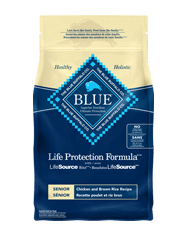
You can find it in some dog food recipes, ranging from normal recipes like BLUE Life Protection Formula Chicken & Brown Rice Recipe for Seniors to specialized diets like BLUE Natural Veterinary Diet Weight Management + Mobility Support, which requires a prescription from your veterinarian. If you’re thinking about switching to a recipe with glucosamine (and/or changing dog food brands), talk with your veterinarian first to see which type and form is ideal for your best friend.
Introduce Low-Impact Exercises
Staying active also helps dogs avoid obesity. Exercise is necessary at all ages, but especially when your dog is older. A daily exercise regimen can help lubricate your pal’s joints and decrease stiffness. Ask your veterinarian to recommend safe exercises for dogs who have joint pain, especially if your dog is older. Here are some common low-impact exercises that can still be a great workout:
- Walking: Dogs love to walk, especially when they’re younger and healthier. But dogs who suffer from joint pain and arthritis can benefit from shorter walks a couple of times a day, depending on how much pain they have. Avoid long walks of 30-minutes or more, and give your dog time to recover between strolls if you go out more than once daily.
- Moderate activity: Running and jumping to catch frisbees and balls can put a strain on your dog’s joints. Replace strenuous activities with more moderate ones where your dog doesn’t have to work as hard to play with their favorite toys.
- Dive in! Water-based activities like swimming have been scientifically proven to decrease the impact on your dog’s joints. Take your buddy to a dog-friendly beach or lake if you don’t have access to a pool. If your veterinarian approves, you may want to schedule hydrotherapy sessions with professional rehabilitation specialists.
Provide All the Comforts of Home
As your dog ages, pay attention to their environment. Is it easy to navigate? Is their mobility restricted in any way? You may need to consider a few changes that can help.
- All about bedding: From memory foam to heated and orthopedic beds, there are a lot of comfortable choices to help alleviate your dog’s hip and joint pain.
- Check the floor: Do you have hardwood, tile, or other slippery floors that make it difficult for your dog to maneuver? Adding non-slip rugs or pads where your dog treads the most could help them get around more safely and easily.
- Ramp up: Whether you take road trips with your dog or they cuddle with you in bed, try car or bed steps to make their climb easier. Adding a ramp can help even more if your dog has frail joints.
- Lots of TLC: As joint pain increases, your dog won’t be able to do everything they love, so shower them with extra attention. You can even treat your dog to acupuncture, a professional massage, or learn some gentle techniques on your own to relieve joint pain and stiffness.
Massage can help increase your dog’s circulation, flexibility, and if done regularly throughout their life, may even help decrease the stiffness that contributes to arthritis. Whether you massage your dog or not, most dogs love to be cuddled, and nothing beats that time for bonding, which is therapeutic for both of you.