

What Are The Benefits of Calcium for Dogs?
Supports and Maintains Bones and Teeth
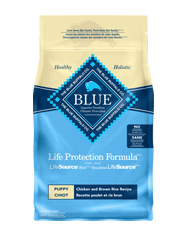
Calcium is a building block for strong bones and teeth, especially for growing puppies. A calcium deficiency can cause bone weakness like fractures or deformities. Thankfully, many dog foods like BLUE Life Protection Formula Chicken & Brown Rice Recipe for Puppies have added calcium to help puppies stay strong as they grow.
Helps Blood Coagulate
Calcium aids in the process of blood coagulation — when blood changes from a liquid to a gel-like form to stop bleeding. It’s crucial for healing.
Essential for Muscle Growth and Repair
Calcium ions are involved in muscle growth and contractions, as well as triggering repair for injured muscle fibers. This micronutrient also helps prevent muscle fatigue by aiding in the regulation of energy production.
Supports Nervous System Functions
It also helps nerve cells communicate by alerting neurotransmitters (messengers for the nervous system) and calms overactive nerves.
Why is Calcium Important for Puppies?
Getting the right levels of calcium in their diet is especially vital for growing puppies for all the reasons listed above, but especially because it helps build healthy bones and strong teeth, and supports bone density. If puppies have a deficiency in calcium, it can cause weak bones that could lead to stress fractures. Talk with your veterinarian to determine how much calcium your puppy needs.
Signs of Low Calcium in Dogs
Mild cases of low calcium, or hypocalcemia, in dogs is usually only detectable with a blood test. If their hypocalcemia is moderate to severe, symptoms could include a loss of appetite, weakness, listlessness, or twitching muscles. If you’re concerned your dog might have hypocalcemia, or low calcium levels, talk with your veterinarian. They can run any necessary tests to diagnose your dog’s symptoms.
Is There Calcium in Dog Food?
All dog foods already include calcium, but the levels vary by life stage, so it’s important to choose a dog food that is complete and balanced for their life stage, and meets AAFCO (Association of American Feed Control Officials) nutritional standards. Dog foods like BLUE Life Protection Formula include the right amount of calcium needed for each life stage and are available in puppy, adult, and senior recipes.